


By Lucy Turner
The Consequence of Not Being Socially Responsible
Integrating ethical and sustainable practices into your business operations – and, more importantly, embracing them – are at the very least expected by both con...
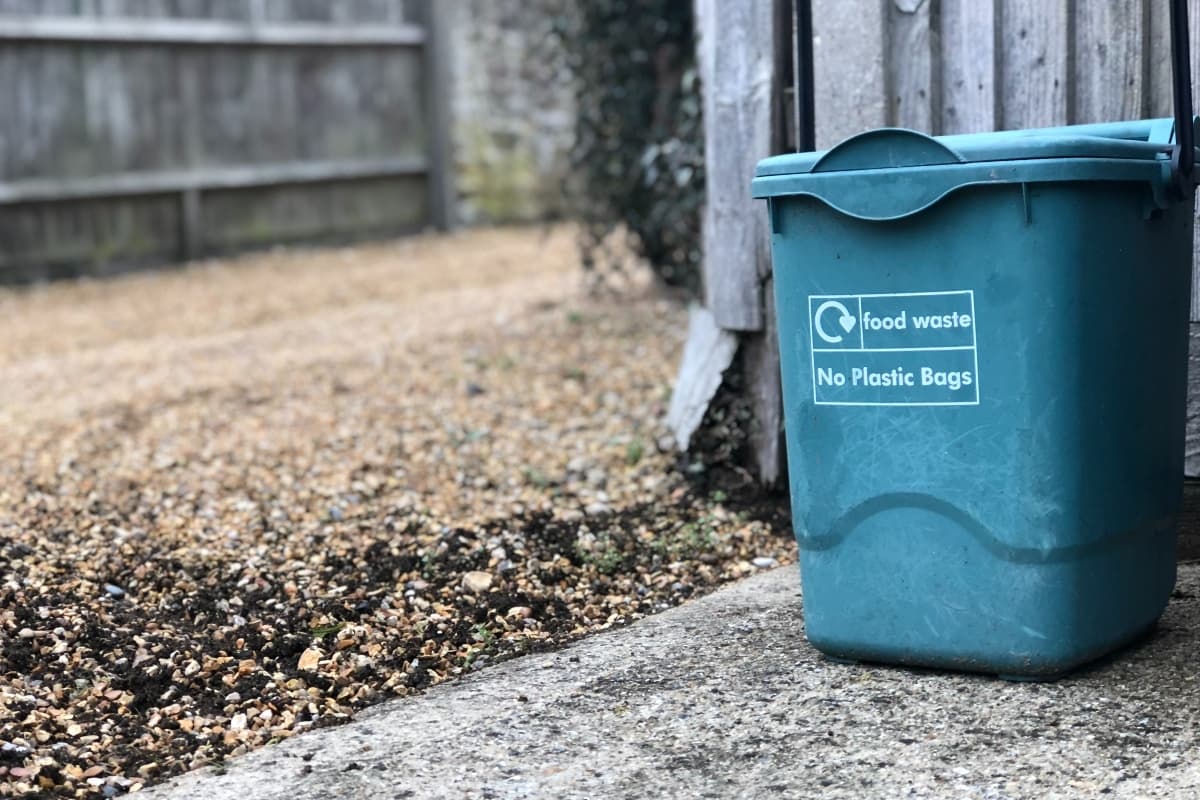
Many businesses will be pausing to consider their environmental impact as the government announces mandatory separate food waste segregation for all businesses. The government passed the Environmental Act in 2021, which will come into effect later this year.
Although an official date is yet to be revealed, businesses will be required to separate food waste from their general waste and have it collected separately.
When food waste goes to landfill, it releases methane which is 25% more potent than CO2 at trapping heat in the atmosphere and therefore contributing to global warming.
The new legislation will support the government’s decision to halve food waste by 2030 as part of its commitment to sustainable development goals. This will enable a transition from a single-use, throwaway society to a more circular economy.
The new legislation will affect all businesses and sectors that generate food waste as part of their day-to-day processes. This may include:
It’s possible that waste segregation can have a positive effect on your costings. Generally, food waste is quite heavy so disposing of it among your general waste can increase costings. When separated, your general waste should be much lighter.
Segregated food waste, for instance, is up to five times cheaper to dispose of per kilo. Therefore, your general waste will not only be lighter, but overall cheaper to dispose of. A waste audit may be beneficial to help you itemise your outgoing waste so you can decide how to better manage your processes.
When waste is segregated, one novel solution could be to use composters which process all types of food and garden waste. This effectively transforms food waste into highly effective fertiliser which can then be used on lawns and other garden areas to help grow fresh fruit and vegetables in line with circular principles.
Businesses should be proactive with their approach to food waste. Some tips to consider are:
Businesses should look to follow the food and drink waste hierarchy as outlined by the government. This is an eight step compliance policy with one being best and eight worst. Options 1 to 4 provide guidance on how to prevent food waste while options 5 to 8 are required by law:
The introduction of these new food waste legislation will pose a challenge to businesses as they race against time to get their processes in order. However, if implemented correctly, could pave the way to a more sustainable, carbon-neutral future.
Reconomy use technology, innovation, data and specialist expertise to enable customers to achieve zero waste and create sustainable value.
If you would like to write for us, please click here.
Chamber of Business has not provided a bio yet.
View all posts by Chamber of BusinessBy Lucy Turner
Integrating ethical and sustainable practices into your business operations – and, more importantly, embracing them – are at the very least expected by both con...

By Anya Mistry-Shah
Corporate social responsibility (CSR) refers to the impact a company contributes to society and environmental causes. Examples of socially responsible actions i...

By Lucy Turner
The travel industry is one of the largest contributors to waste globally, with the United Nations Environmental Programme (UNEP) estimating that around 1.3...

By Chamber of Business
Diversity, Equity & Inclusion (DE&I) isn’t a checkbox to tick once a year when Pride Month comes around. Although, Pride Month is a moment in time for u...

By Lucy Turner
It’s no secret that humans’ failure to recycle plastic correctly is destroying our oceans and killing our sea life – with a report revealing that the ...

By Lucy Turner
Global sustainability efforts are more important than ever as we continue to find solutions, such as investing in refillable packaging, to minimise our impact o...
Please add us as a "preferred source" on Google so you can easily find more of the content you value.
Add to Preferred Sources