


By Damien Woods
How London Businesses Can Compete for Talent Without Big Salaries
London has one of the most competitive job markets in the world. The city is home to over a million businesses, from small, newly-founded startups to global meg...
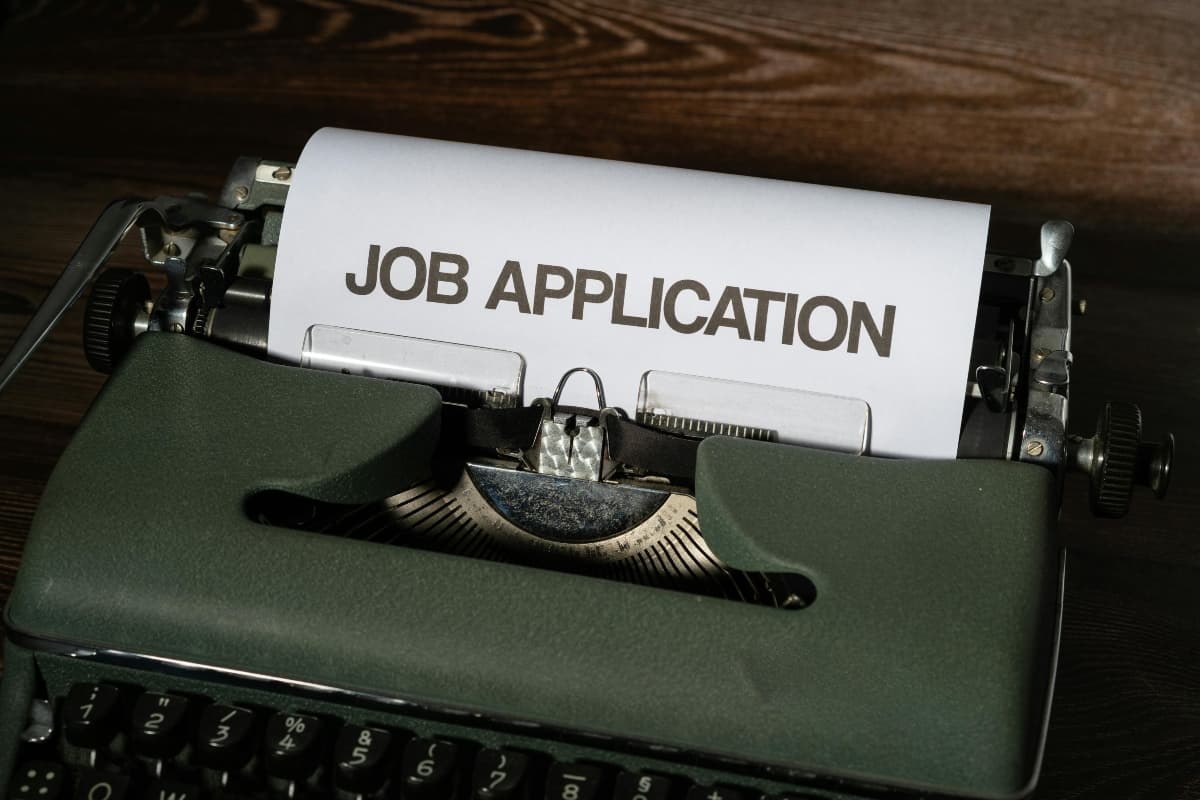
In 2026, the job market is more complex than ever. Gone are the simpler days when candidates could just walk into a shop, hand in their CV, and be offered a job as a reward for their proactivity and sense of initiative. Getting the right candidate nowadays is hard. This means that companies that are actively on the hunt for new employees to fill jobs must create an effective online CV screening process that’s as frictionless as possible. It not only needs to provide the information that an in-person CV would, but also find the best candidates who stand out from the rest of the crowd.
This is just one problem plaguing recruitment strategies in 2026, as it’s already more competitive than ever to try to find the best candidates. With hundreds of applicants for even the most junior entry-level jobs, the importance of having an effective recruitment strategy has never been more important – not just to find the right fit, but to find someone willing to grow and learn with the company.
But how do you put together the optimal recruitment strategy that identifies standout candidates? That’s a question that lots of senior business leaders and recruitment and HR teams find themselves asking, as they watch the tumbleweed roll across their inboxes after posting yet another dud job ad.
Well, if you can relate to this sense of dismay and frustration, then you’ve come to the right place as, in this article, we’re going to create something of a blueprint for those businesses that are in dire need of some help with their CV screening process in 2026. We’re going to show what things will make this process as efficient as possible, from effectively using AI to making sure that your job advert is honest and stands out, as well as skills that you can look out for to find the best candidate for the job.
Here it is: the obligatory AI section of the article. AI can help to check through thousands of CVs to find the best ones, as it can find the candidate who has the skills and experience that you are looking for much more quickly. This is beneficial as it can save a lot of time during the recruitment process, which can be notoriously lengthy and costly for businesses, usually because managers and employees are pulled away from their usual duties, affecting businesses’ productivity.
These are the positive uses of AI for CVs; however, while AI is still progressing, companies mustn’t solely rely on AI to screen candidates. In the first stages, it’s also important that candidates have people skills and will fit into the company culture, which is something that AI will probably never be able to truly support with. This is why AI should be used ro help rather than a shorthand solution for everything.
Hiring managers should focus on being open and honest from the get-go to build trust and come across as authentic before they’ve even received a single CV submission. This can be done by creating a good job advert that’s transparent about the job role, the exact working days and how many days will be remote, as well as marketing materials like candidate packs, that portrays culture as a big part of the company and doesn’t contain any red flags.
This helps to foster trust from the start and can attract applicants who are eager to find this kind of open culture in their workplace. In marketing materials, it’s always best to take advantage of real employee advocacy instead of just sharing the same old insincere corporate LinkedIn posts to tell candidates about your company culture.
While technical skills and degrees are essential in our modern online world, human-centred skills that AI can’t replace are also just as important (if not even more so). This includes having strong interpersonal skills, or even something a lot less abstract, like having a driving license, or having completed transport training.
Other human-centred skills, such as effective employee management and working well under pressure, are also big ones to look out for for any business out there, as well as any training courses that candidates have completed. Not only are these skills useful for companies, as they show candidates have practical skills, but they also demonstrate commitment, as candidates have spent their own time learning and developing their personal skills.
CV screening is one of the first hurdles of the recruitment process, so if you get it wrong, you could be setting up the entire thing for failure – especially if you hire the wrong person. But when done right, taking advantage of technology, representing the business honestly and in a positive light, and focusing on people with human-centric skills, then you’re much more likely to find the best match.
Damien Woods is a freelance writer who specialises in all things business and finance. Drawing on insights gained from a career in equity-backed behemoths and small independent environments within the recruitment and financial sectors, his articles aim to demystify the complex world of business with straightforward guides that are accessible to all.
View all posts by Damien WoodsBy Damien Woods
London has one of the most competitive job markets in the world. The city is home to over a million businesses, from small, newly-founded startups to global meg...

By Shane Moore
Employers operate within a structured legal framework that governs workplace safety, contracts, wages, discrimination, and liability. Compliance is not optional...

By Lucy Turner
Most business owners view recruitment as a simple transaction: you pay a fee, you get a person, and you pay their salary. But when a hire doesn’t work out the w...

By Lucy Turner
We’re all familiar with the concepts of fight, flight or freeze, which are well-known human reactions to a potential threat or danger. But there is a fourth typ...

By Lucy Turner
Apprenticeships are increasingly recognised as a key solution to addressing the skills shortages across the UK. Builder’s merchant and cheap bricks supplier Tra...

By Lucy Turner
By 2030, a fifth of the UK workforce may find themselves seriously under-skilled for their jobs. Whilst it might sound like a sci-fi dystopia, accordi...
Please add us as a "preferred source" on Google so you can easily find more of the content you value.
Add to Preferred Sources