


By Shane Moore
How Employers Can Support Employees Through Relationship Breakdown
Relationship breakdown is consistently ranked among the most stressful experiences a person can go through. Whether it involves separation, divorce, disputes ov...
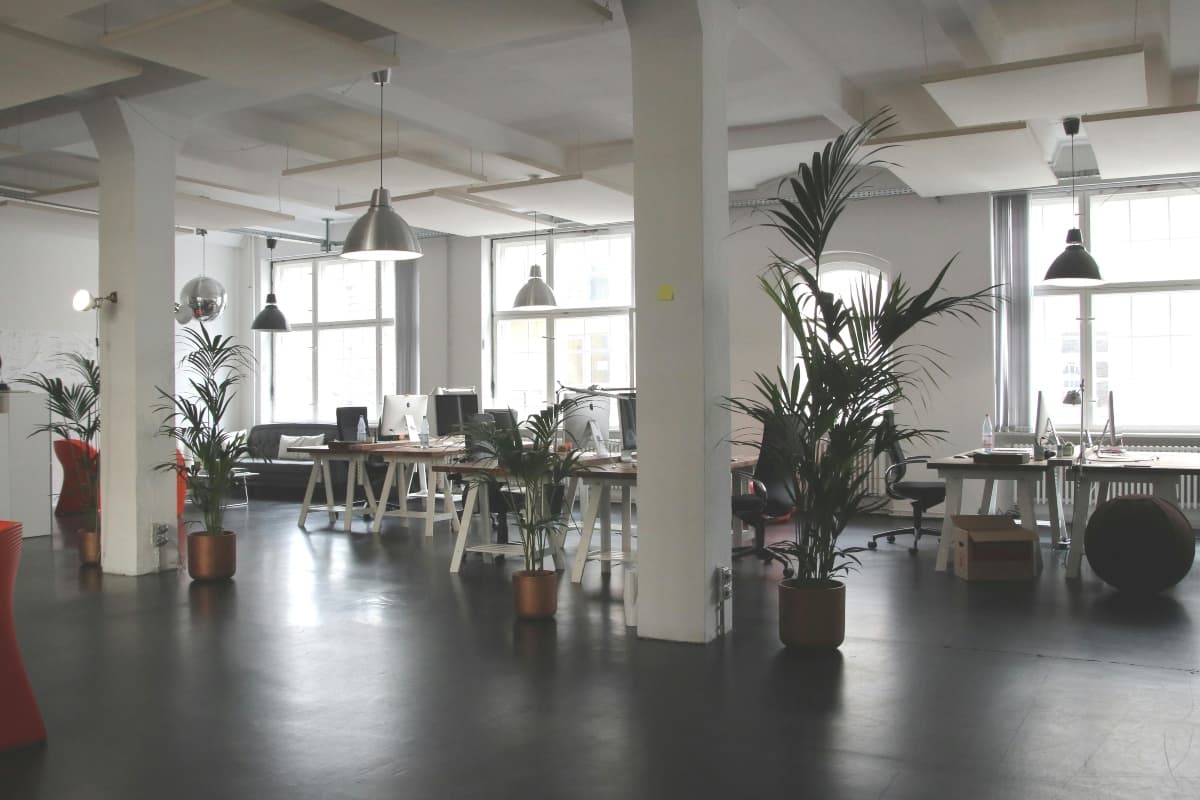
More than a quarter of working Brits feel least productive in January, with an estimated two million people affected by low mood and reduced motivation as daylight hours shorten. As workplaces prepare for another winter slump, employers are increasingly turning to simple, evidence-backed approaches to support staff. One of the most effective approaches according to the office plant report 2025 is the introduction of plants and greenery into workspaces.
Those who spent at least 120 minutes a week around some form of nature were more likely to report good health and psychological wellbeing. Research consistently links indoor plants with lower stress, improved cognitive function, better mood regulation and increased concentration in both office environments and home-working setups.
“Nature is one of the most powerful tools for boosting workplace energy, yet it’s often overlooked,” said William Stokes, CEO at leading office infrastructure company Co-Space. “Plants instantly change the atmosphere of a room. They soften harsh spaces, improve air quality and make people feel calmer, more focused and more motivated. The impact on wellbeing can be immediate.”
In the office plant report 2025, workplace specialists highlighted ten standout plants that consistently support calmer, more energising environments.

A hardy, upright plant known for filtering indoor air and promoting clearer thinking. Its architectural leaves bring structure and visual order to a workspace, helping reduce mental clutter.
The Snake Plant thrives on minimal care, making it ideal for desks, corners and high-traffic offices where attention is limited.

Renowned for its ability to regulate humidity and soften the atmosphere, the Peace Lily creates a calming backdrop during stressful periods. Its smooth white blooms and lush leaves add a gentle, restorative energy to meeting rooms, quiet zones and individual desks.
It also helps reduce dryness from central heating, a common source of winter fatigue.

The ZZ Plant is perfect for workplaces with low natural light, offering a strong, glossy green presence that instantly lifts the room. Its slow, steady growth and sculptural form bring stability and calm.
It requires very little water or attention, ideal for busy teams or hybrid work patterns where plants may be left for days at a time.

Fast-growing and naturally trailing, Pothos brings a sense of movement and freshness to stagnant spaces. Its cascading vines soften harsh lines, making it a favourite for shelves, cabinets and reception areas.
Pothos is also widely recognised for helping strip indoor pollutants from the air, supporting a cleaner, more energising work environment.

With its bold, glossy leaves and upright branching, the Rubber Plant acts as a strong visual anchor in any room. It helps create a grounded, stable atmosphere, which is especially beneficial in high-stress or fast-paced workplaces.
Its calm, substantial presence can make open-plan offices feel more structured and balanced.

Often recommended for its ability to remove airborne toxins, the Spider Plant helps brighten and freshen shared spaces. Its arching leaves introduce gentle natural movement, which can reduce visual monotony and increase alertness.
It’s well suited to shelves, hanging planters and window ledges.

With clean, architectural lines, Aloe Vera brings clarity and minimalism to a workspace, helping create a ‘reset’ feeling ideal for focused tasks. It prefers bright light, making it an excellent addition to sunny desks or windowsills.
Its reputation as a soothing, restorative plant aligns well with workplaces aiming to lower stress and promote renewal.

Known for its soft, heart-shaped leaves, the Philodendron introduces a comforting, nurturing atmosphere. Its gentle curves help counterbalance the hard edges of office furniture, reducing subconscious stress.
Easy to care for and visually calming, it supports environments where deep focus or creative thinking is required.

This plant brings a sense of openness, calm and gentle vertical movement to meeting spaces and communal areas. Often used to soften large rooms or create natural partitions, the Bamboo Palm supports feelings of relaxation and mental ease.
Its subtle presence makes it ideal for reducing heaviness in dense or crowded offices.

Boston Ferns add lush, feathery greenery that introduces softness and natural motion, helping regulate mood and comfort. Their ability to add moisture to dry indoor air supports wellbeing during winter months.
Placed in corners, lounge areas or near windows, they create a restorative, grounded environment that encourages relaxation and reset.
“People underestimate how deeply our brains respond to nature,” said William. “When we bring greenery indoors, we create environments where people can think more clearly, feel more grounded and stay in a productive rhythm. It’s one of the simplest, most affordable ways businesses can improve wellbeing.”
As businesses look ahead to 2026, many are adopting biophilic principles, incorporating plants, natural textures and light, to combat burnout and build healthier, more engaging workplaces.
“We’re entering a future where wellbeing isn’t optional,” William added. “Employees want spaces that support them mentally and emotionally. Plants are a powerful step in that direction, and the workplaces that embrace nature now will be the ones that see stronger energy, lower stress and better performance throughout the year.”
Co-Space provide design-led serviced offices, co-working spaces and meeting spaces with exceptional benefits.
Lucy Turner is a Content Marketing Specialist crafting creative copy for website projects and marketing campaigns. Whether it’s blogging, content optimisation, email and social media content or website messaging, her writing skills translate across all channels.
View all posts by Lucy TurnerBy Shane Moore
Relationship breakdown is consistently ranked among the most stressful experiences a person can go through. Whether it involves separation, divorce, disputes ov...
By Shane Moore
Most business owners focus on the obvious productivity levers: staffing levels, technology, processes, and training. Yet one factor consistently gets overlooked...

By Lucy Turner
Workplace socials have long been a defining part of company culture. From after-work drinks to team-building days, they’re designed to help teams unwind and con...

By Lucy Turner
We’re all familiar with the concepts of fight, flight or freeze, which are well-known human reactions to a potential threat or danger. But there is a fourth typ...

By Lucy Turner
New research reveals that older workers are suffering from a silent mental health crisis at work, with almost a third (32%) of workers over 55 having taken time...

By Lucy Turner
A new study has revealed the impact different industries have on the health and wellbeing of those working in them, highlighting the best and worst careers for ...
Please add us as a "preferred source" on Google so you can easily find more of the content you value.
Add to Preferred Sources